
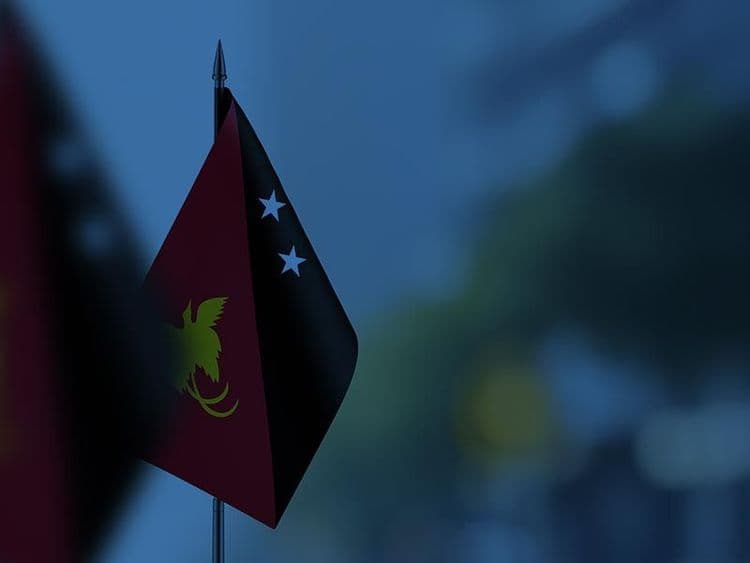
Papua New Guinea (PNG) is home to over 800 languages, making it one of the most linguistically diverse countries in the world. This extraordinary variety accounts for nearly 12% of the world's languages, with a population of around 9 million people. The languages are primarily divided into two groups: Austronesian and Papuan.
Austronesian languages, found mainly in coastal regions, include widely spoken languages like Tolai and Motu. These languages typically feature simpler grammatical structures, often adhering to a subject-verb-object (SVO) word order. Hiri Motu, for example, was developed as a trade language and is characterized by its accessibility.
In contrast, Papuan languages, predominantly spoken in the interior highlands, are highly diverse and do not belong to a single family. Languages such as Enga and Huli exhibit complex grammatical systems, including intricate verb conjugations and multiple noun classes. Some Papuan languages are also tonal, where pitch variations can change word meanings.
Additionally, Tok Pisin, a creole language derived from English, serves as a lingua franca and one of PNG’s official languages. While it simplifies many aspects of English, it incorporates indigenous vocabulary, reflecting the country’s rich cultural tapestry and linguistic heritage.